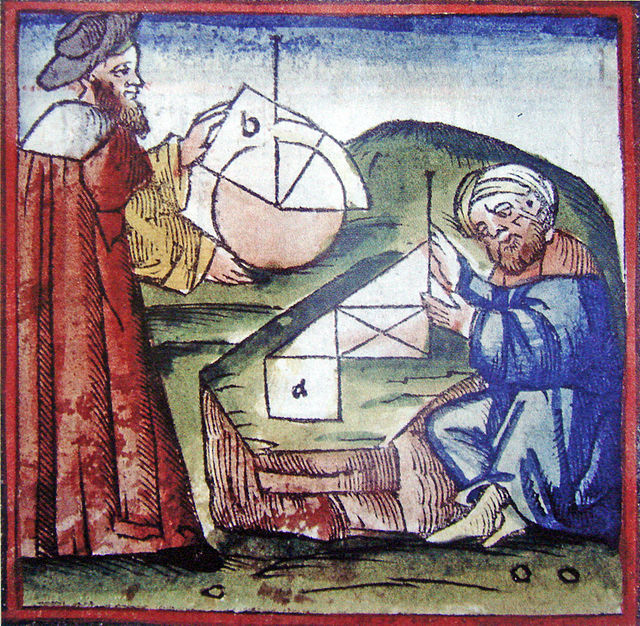
Geometry-Informed Quantum Machine Learning
Developing advanced frameworks for quantum machine learning with data-centric encoding strategies and geometric analysis. This project explores novel metrics and benchmarking quantum vs. classical models on synthetic and biomedical datasets.
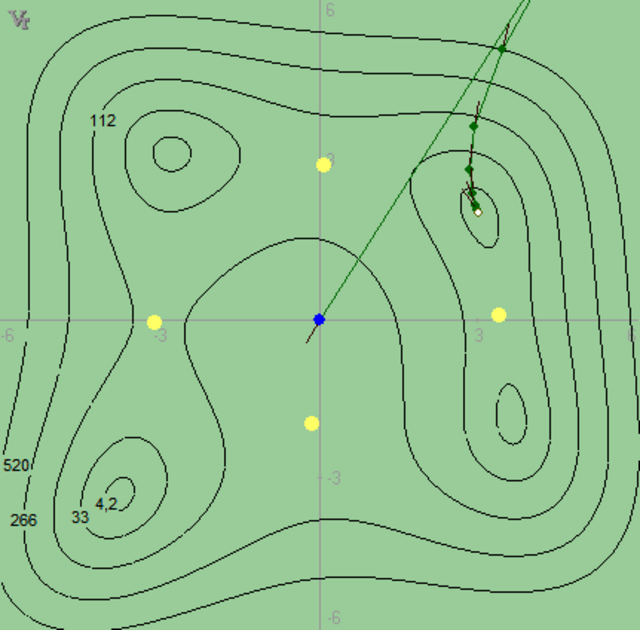
Quantum Optimization and Simulation
Advancing hardware-aware quantum algorithms through the development of customized workflows for optimization and simulation. Projects include QAOA-based Max-Cut optimization, quantum simulation of molecular structures, and the exploration of circuit design strategies such as folding techniques and entanglement analysis.
Quantum Chemistry Simulation
Researching quantum algorithms for molecular electronic structure across a broad class of chemical systems. Our work spans Hamiltonian construction, fermion-to-qubit mappings, active-space design, and hardware-aware circuit optimization, enabling accurate simulation of ground and excited states.
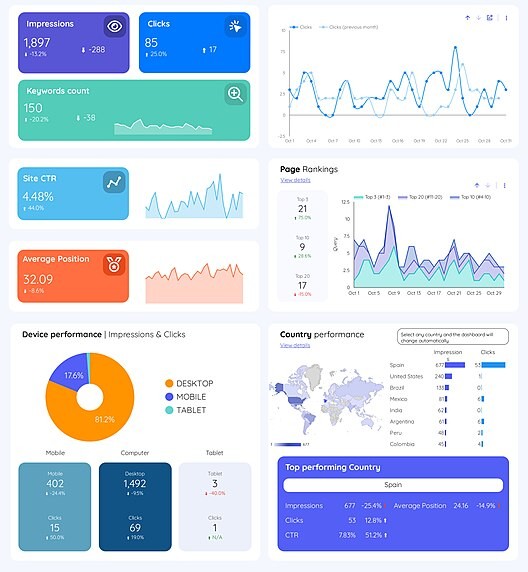
Quantum-Enhanced Healthcare Analytics
Integrating quantum computing into biomedical research. Hybrid quantum-classical models are applied to real clinical datasets to improve accuracy and interpretability.

Quantum Cryptography and Encryption
Developing quantum-safe cryptographic protocols and quantum key distribution (QKD) techniques to protect data against current and future threats. Integrating post-quantum cryptography, hardware-based security primitives, and quantum communication models to enable secure information exchange, long-term data confidentiality, and resilient cybersecurity infrastructures.
Quantum Education and Workforce Development
Leading RIFT-Quantum at The Catholic University of America to train the next generation of quantum scientists. Initiatives include new graduate courses, summer schools, and training modules designed to build a robust quantum-ready workforce.